Does Ceramic Coating Prevent Rust? What Beckley, WV Drivers Need to Know
It's one of the most common questions Ceramic Works LLC gets from vehicle owners in Beckley and southern West Virginia: if I get a ceramic coating, will it protect my truck from rust? The short answer is no — not in the way most people mean when they ask. Ceramic coating protects your paint. Rust starts somewhere very different. This guide explains exactly what ceramic coating does and doesn't do, where rust actually comes from on West Virginia vehicles, and what you actually need to protect against it.
Want to protect both your paint and your undercarriage? Ceramic Works LLC offers ceramic coating and Woolwax undercarriage protection — ask about combining both in one visit.
What Ceramic Coating Actually Does
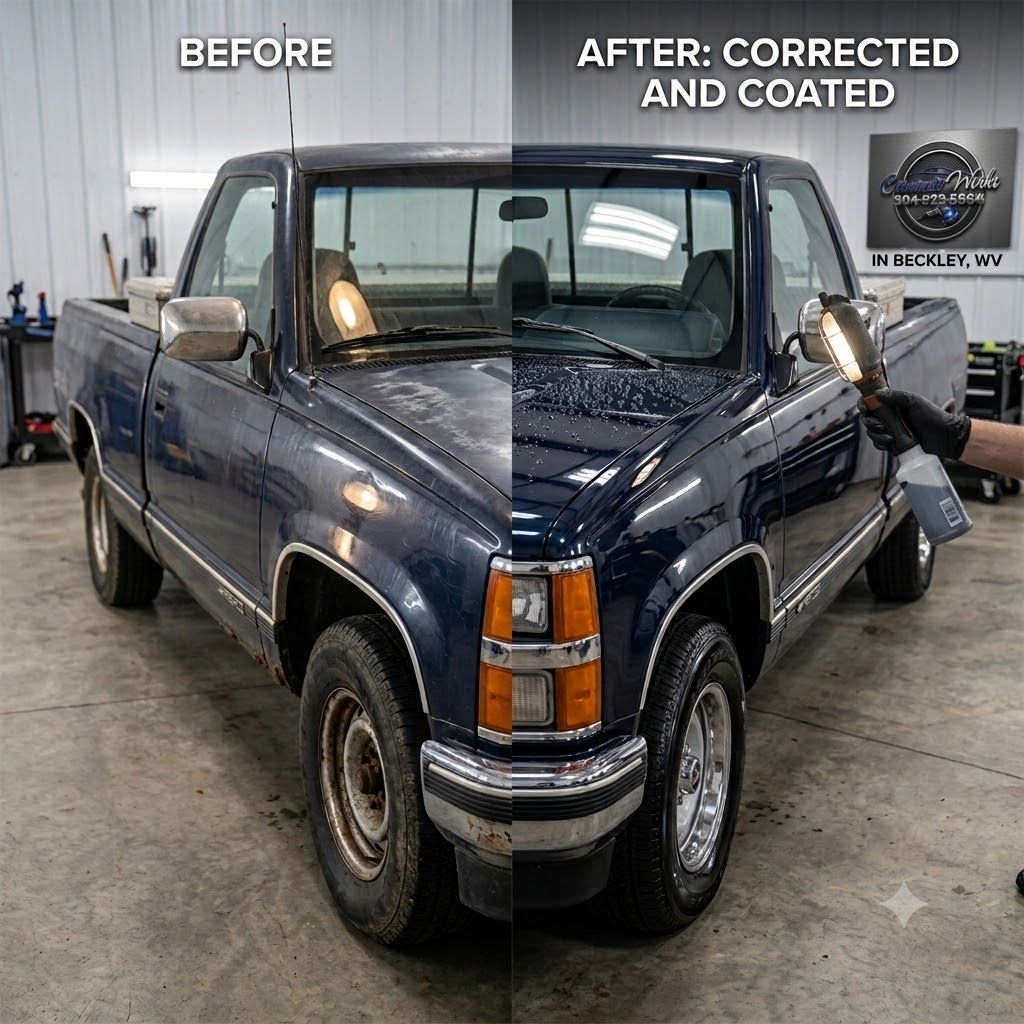
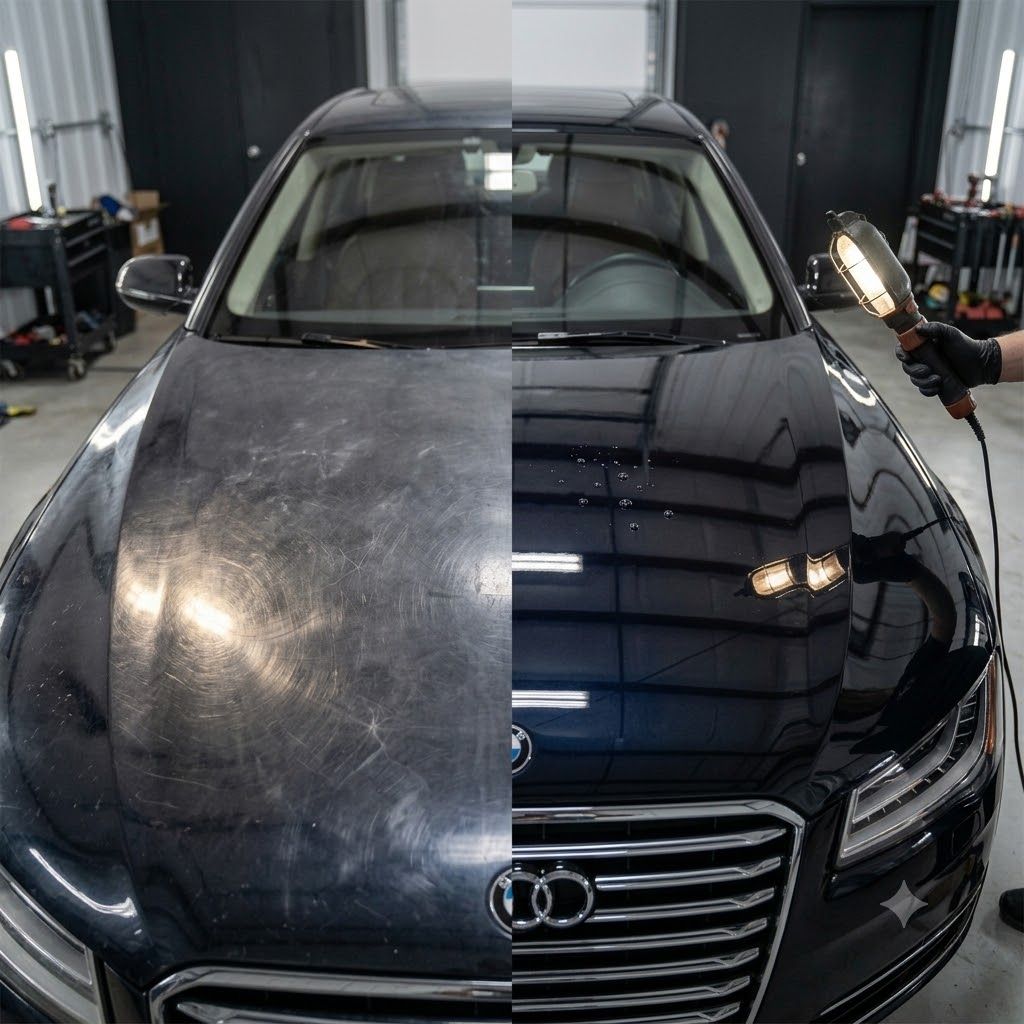
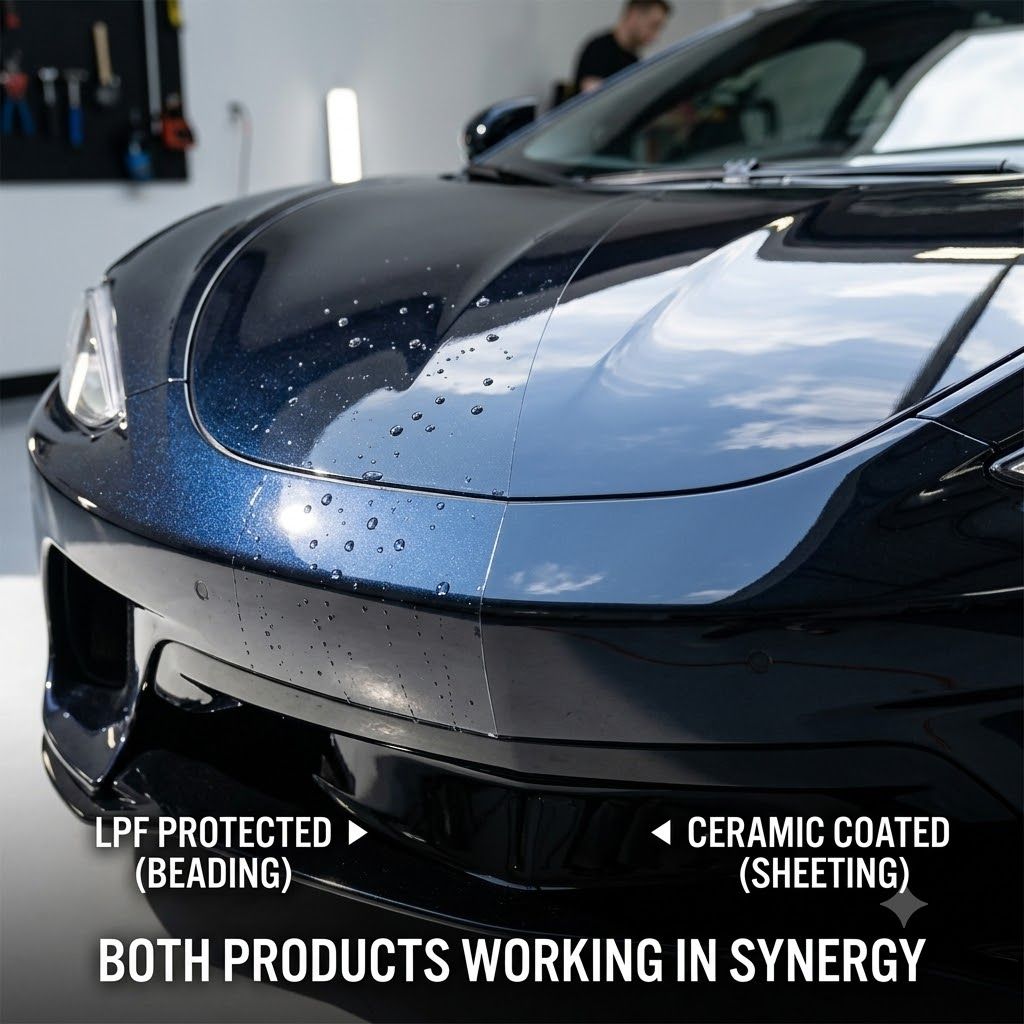
A ceramic coating is a liquid polymer that bonds to a vehicle's painted surfaces and forms a hard, clear, hydrophobic protective layer on top of them. Once cured, it makes the paint significantly more resistant to UV fading, oxidation, chemical staining, water spots, bird droppings, and road grime. Water beads and rolls off the surface rather than sitting on it. Everyday contaminants wash off with far less effort than an uncoated or waxed vehicle.
It's a meaningful upgrade in paint protection. What it is not, however, is a rust prevention product. The two things address completely different parts of the vehicle and completely different problems.
Where Rust Actually Comes From
On vehicles driven in West Virginia, rust doesn't typically start on the painted body panels — at least not first. It starts in places ceramic coating never touches: the undercarriage. Frame rails, suspension components, brake lines, wheel wells, floor pans, and exhaust brackets are all exposed to road spray, moisture, and most importantly, road salt every winter. Salt is electrochemically aggressive toward bare and exposed metal, and West Virginia road crews use it heavily from late fall through early spring.
Once salt and moisture make consistent contact with exposed metal, oxidation begins. Left untreated over multiple winters, surface rust becomes structural rust — and that's when repair costs stop being a detail bill and start being a frame problem. The painted surfaces of a vehicle, which is where ceramic coating lives, are the last place rust typically takes hold first on a well-maintained vehicle.
Ceramic coating protects paint. Woolwax protects metal. These are two different products solving two different problems — and on a vehicle driven through West Virginia winters, both matter.
Can Ceramic Coating Help at All With Rust?
Indirectly, yes — in a limited way. Ceramic coating does protect painted body panels from moisture sitting on the surface, and paint in good condition acts as a barrier between the metal underneath it and the elements. If the paint is properly maintained and sealed with a ceramic coating, surface rust from paint chips and scratches is slightly less likely to develop on body panels compared to bare, unprotected paint.
But this benefit is marginal for rust prevention purposes, and it does nothing for the undercarriage. A vehicle can have a perfectly coated paint job and still rust through the frame in a few seasons of West Virginia winters if the undercarriage is left unprotected.
What Actually Prevents Rust: Woolwax Undercarriage Protection
For vehicle owners in Raleigh County and southern West Virginia, Woolwax undercarriage protection is the right product for rust prevention — not ceramic coating. Woolwax is a lanolin-based coating applied directly to the undercarriage that forms a barrier between exposed metal and the road salt, moisture, and debris that cause corrosion.
Unlike a one-time spray undercoating, Woolwax stays flexible and continues to provide protection over time rather than cracking and allowing moisture to get underneath it. It's applied to frame rails, suspension components, brake lines, and other vulnerable undercarriage surfaces — exactly where rust starts on vehicles driven through WV winters.
Ceramic Works LLC applies Woolwax as part of its undercarriage protection service. The process includes a thorough undercarriage wash first to clear existing salt and grime before the Woolwax goes on — because applying a protective coating over accumulated road debris reduces how effectively it bonds to the metal underneath.
Ceramic Coating vs. Woolwax: What Each One Does
| Protection Type | Ceramic Coating | Woolwax |
|---|---|---|
| Where it's applied | Painted exterior surfaces | Undercarriage & exposed metal |
| Prevents paint fading | ✓ Yes | ✗ No |
| Water & grime repellent | ✓ Yes (paint surface) | ✓ Yes (undercarriage) |
| Prevents road salt rust | ✗ Not on undercarriage | ✓ Yes |
| Protects frame & suspension | ✗ No | ✓ Yes |
| Backed by warranty | ✓ Yes (with correction) | Annual reapplication recommended |
| Best time to apply | Any time of year | Fall, before road salt season |
Do You Need Both?
For most vehicle owners in West Virginia who want comprehensive protection, yes — both make sense, but they address entirely separate concerns. Ceramic coating is for the paint you see every day — keeping it looking clean, protected from UV, and resistant to the chemical and environmental damage that degrades a finish over time. Woolwax is for the parts of the vehicle you don't see — the frame, the suspension, the brake lines — that take the worst of what West Virginia winters throw at them.
Many customers at Ceramic Works combine both services in a single visit, which is typically more efficient than scheduling them separately. The ceramic coating work addresses the exterior, and the Woolwax application handles the undercarriage in the same appointment.
Protecting your vehicle inside and out starts with the right products in the right places. Ceramic Works LLC can walk you through both services and quote them together before you book.
Why This Matters More in West Virginia Than Most States
West Virginia consistently ranks among the states that apply the most road salt per lane mile during winter weather events. The combination of mountainous terrain, frequent freeze-thaw cycles, and heavy salt application means undercarriage exposure is significantly higher here than in many other parts of the country. Vehicles that move to West Virginia from states with milder winters or less aggressive road treatment often develop rust far faster than their owners expect, simply because the conditions are genuinely more corrosive.
For truck owners and daily drivers in Beckley, Lewisburg, Princeton, Fayetteville, Charleston, and Shady Spring, treating rust prevention as a routine maintenance item — rather than something to deal with after rust appears — is what keeps a vehicle out of the body shop long-term. Woolwax applied every fall before salt season, combined with a ceramic coating to protect the painted surfaces, covers both sides of the equation.
The Short Version — Ceramic Coating & Rust Prevention
- Ceramic coating protects paint — not the undercarriage or bare metal
- Rust on WV vehicles starts underneath — frame, suspension, brake lines
- Road salt is the main cause — WV winters are hard on undercarriages
- Woolwax is the right product for undercarriage rust prevention
- Ceramic coating + Woolwax together covers paint and metal in one visit
- Best time for Woolwax: fall, before road salt season begins
- Ceramic Works LLC is located at 124 Appalachian Drive, Beckley WV
Questions? Ceramic Works LLC Can Point You in the Right Direction
If you're not sure which service your vehicle actually needs — ceramic coating, Woolwax, both, or something else — the quickest way to find out is to call or text 304-923-5664. A few photos of the vehicle and a quick description of how it's driven is usually enough for Ceramic Works to give a straight recommendation before you come in.
Ceramic Works LLC serves customers throughout southern West Virginia including Charleston, Fayetteville, Lewisburg, Princeton, and Shady Spring. Free quotes are available by phone, text, or through the contact form — no commitment required to ask.
Protect Your Paint and Your Undercarriage
Call or text 304-923-5664 or send a few photos — Ceramic Works will recommend the right combination of services for your vehicle and your budget.